
The evolution of computer technology represents one of humanity’s most remarkable achievements, transforming how we work, communicate, and live. From room-sized mechanical calculators to pocket-sized smartphones more powerful than the computers that sent humans to the moon, this journey spans over a century of innovation.
Problem: Many people struggle to understand how computers evolved from simple calculating machines to the sophisticated devices that power our digital world today.
Solution: This comprehensive guide breaks down the computer evolution timeline into digestible phases, highlighting key milestones, breakthrough technologies, and the visionaries who shaped our digital future.
Before diving into the computer evolutions, we must acknowledge the mechanical pioneers that laid the foundation for modern computing.
The abacus, invented around 2700-2300 BCE, represents the earliest form of computational assistance. This simple yet effective tool demonstrates humanity’s innate need to process numerical information efficiently.
Often called the “father of the computer,” Charles Babbage designed the Analytical Engine, which contained the basic elements of a modern computer:
Ada Lovelace, working with Babbage, wrote the first computer algorithm and envisioned computers beyond mere calculation, predicting they could compose music and create art.
Internal Link Opportunity: Learn more about early programming concepts for kids.
The first generation marked the birth of electronic computers, characterized by vacuum tubes and enormous physical size.
ENIAC (1946):

EDVAC (1949):
UNIVAC I (1951):
The second generation brought significant improvements through transistor technology, making computers smaller, faster, and more reliable.
Transistor Technology: Invented at Bell Labs in 1947, transistors were smaller, generated less heat, and consumed less power than vacuum tubes. This breakthrough enabled:
Programming Languages:
IBM 1401 (1959):
CDC 1604 (1960):
Explore modern coding languages for game developers.
The third generation introduced integrated circuits (ICs), revolutionizing computer design and capability.
Operating Systems:
Memory Hierarchy:
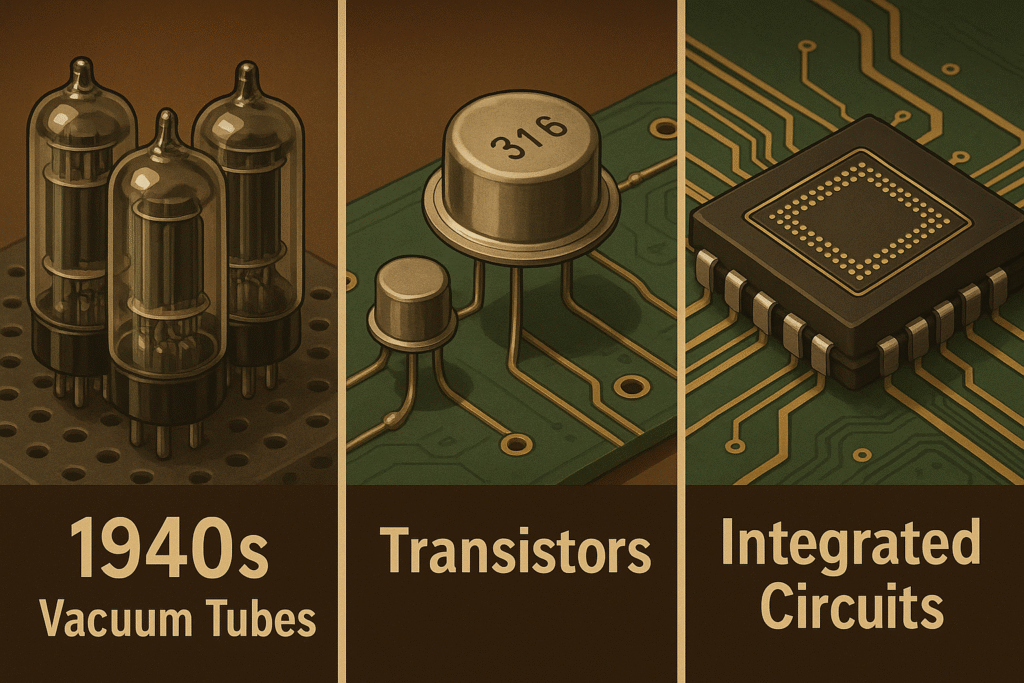
IBM System/360 (1964):
DEC PDP-8 (1965):
The fourth generation brought microprocessors, making personal computing possible and transforming society.
The invention of the microprocessor in 1971 by Intel created the foundation for personal computers:
Intel 4004 (1971):
Intel 8008 (1972):
Altair 8800 (1975):
Apple II (1977):
IBM PC (1981):
The fifth generation focuses on artificial intelligence, parallel processing, and advanced user interfaces.
Artificial Intelligence:
Parallel Processing:
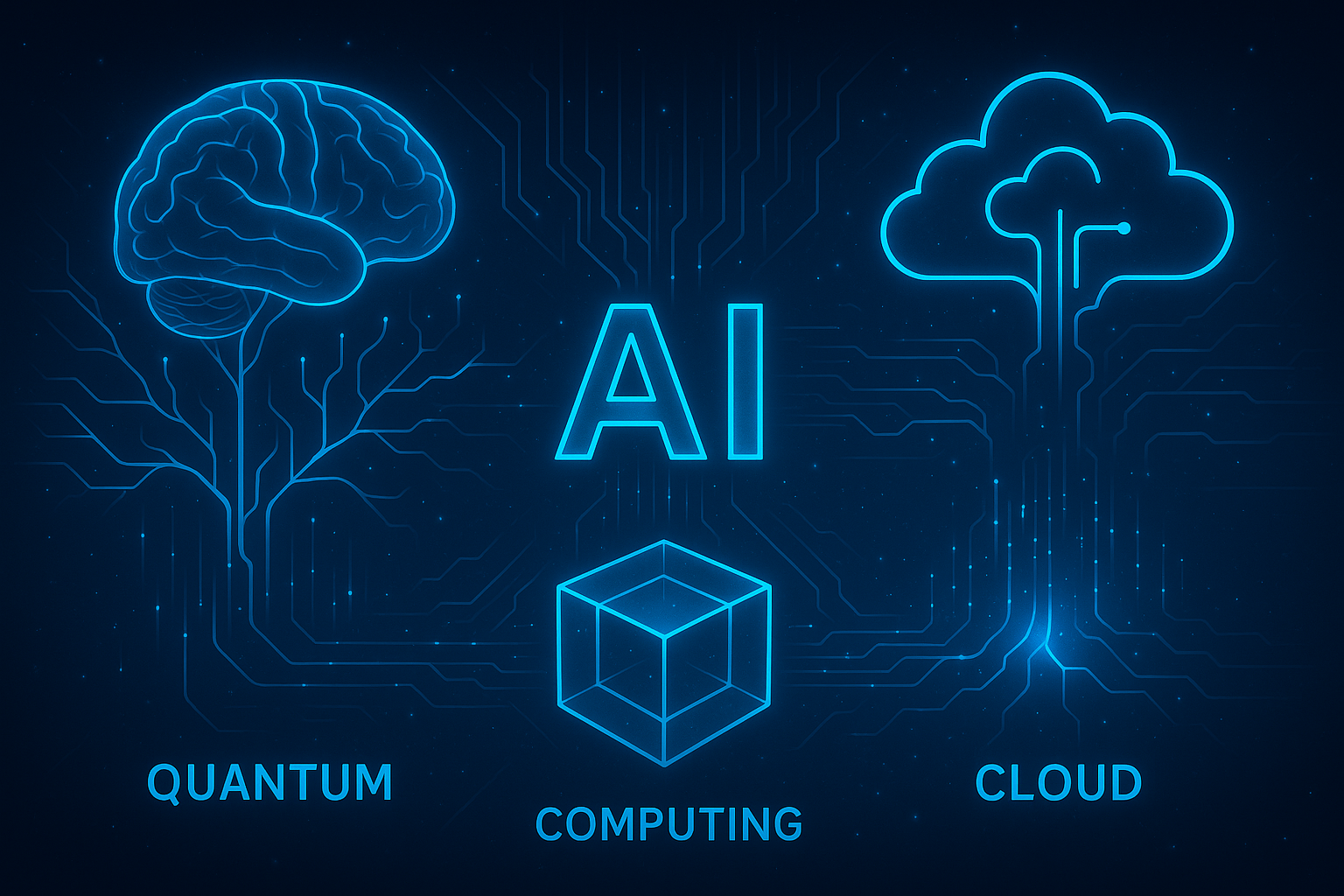
Internet Revolution (1990s):
Smartphone Era (2000s):
The evolution of personal computers deserves special attention as it directly impacts our daily lives.
1970s-1980s: Foundation Years
1990s: Multimedia Revolution
2000s: Performance Boom
2010s-Present: Integration Era
Early Portables (1980s):
Modern Laptops:
Find the best desktop computer for kids.
Today’s computing landscape represents the culmination of decades of innovation, characterized by:
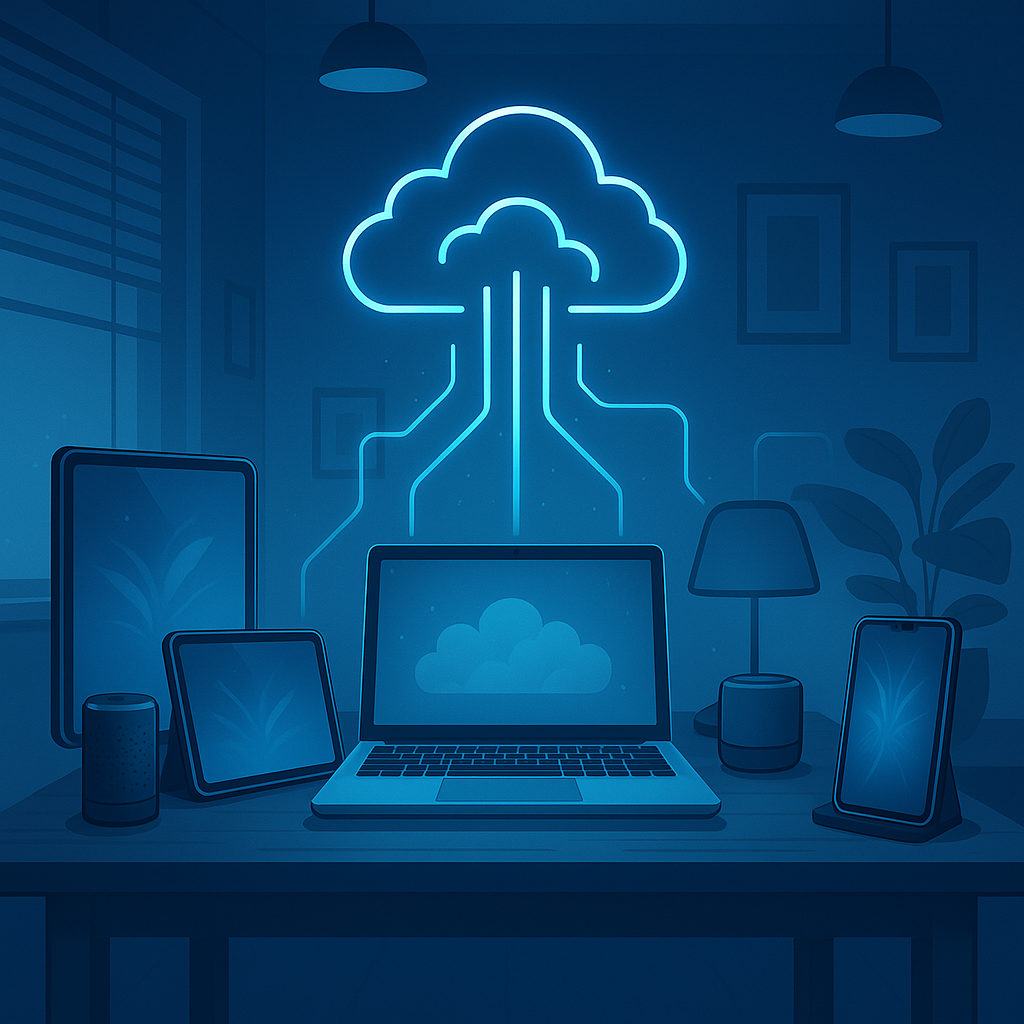
The evolution of computing continues to accelerate, with several emerging trends shaping the future:
Neuromorphic Computing:
Optical Computing:
DNA Computing:
2025-2030:
2030-2040:
Internal Link Opportunity: Learn about AI’s impact on kids.
The evolution of computer technology teaches us several important lessons:
The evolution of computer technology represents humanity’s incredible journey from mechanical calculators to artificial intelligence systems. Each generation has built upon previous innovations, creating an exponential growth in computing power, accessibility, and capability.
Understanding this evolution helps us appreciate:
As we stand on the brink of quantum computing, artificial general intelligence, and brain-computer interfaces, the next chapter in computer evolution promises to be even more revolutionary than the last. The journey from ENIAC’s 30-ton frame to quantum computers that can solve problems in seconds that would take classical computers millennia demonstrates the incredible pace of technological advancement.
The future of computing will likely bring even more profound changes, transforming not just how we work and communicate, but how we think, learn, and exist in an increasingly digital world. The evolution of computers continues, and we’re all part of this incredible journey.
Explore robotics and coding for kids to prepare for the future of technology.
Want your child to go further? Explore ItsMyBot’s Online Coding Classes for Kids — structured coding courses designed for kids!

Online coding, AI, and robotics classes that help kids ages 6–18 build real skills — and confidence — one project at a time.
No commitment · Live class with an expert teacher
© ItsMyBot 2026. All Rights Reserved.